

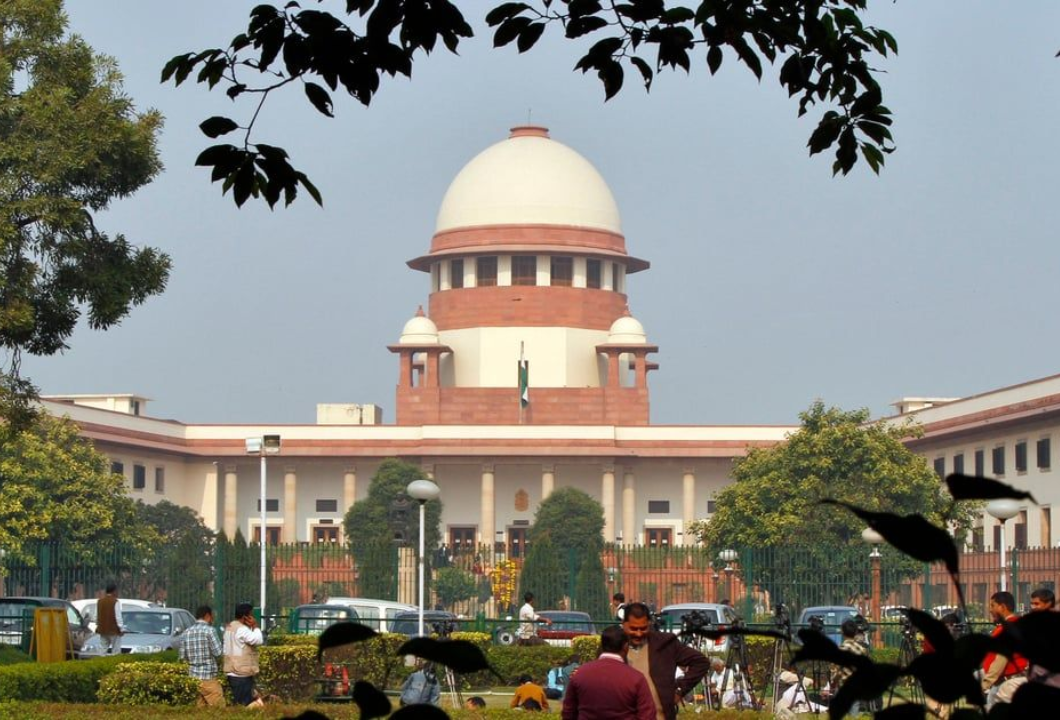
Supreme Court’s Latest Observations on Criminal Liability of Doctors-2026
By Adv. Arun D. Mishra – Medico-Legal Consultant & Advocate
The question I am asked most often by doctors today is simple but serious:
“Can I be arrested if a patient dies or a complication occurs?”
The Supreme Court’s repeated observations on criminal liability of doctors have brought much-needed clarity, and as we move towards 2026, these principles are becoming increasingly important for everyday medical practice.
The Supreme Court has consistently held that criminal prosecution of doctors should be an exception, not the rule. Criminal liability does not arise merely because a treatment fails or an outcome is adverse. It arises only when there is gross negligence conduct so reckless that no reasonable medical professional would have acted in that manner.
Let me give a practical example.
In one case I handled, a critically ill patient died despite aggressive ICU care. The family demanded criminal action. However, treatment records showed continuous monitoring, specialist consultations, and timely decisions. The court refused criminal proceedings, calling it an unfortunate outcome not a criminal act.
Contrast this with another situation where a patient was left unattended for hours despite alarming vitals. There was no monitoring record. That absence of care, not the death itself triggered criminal scrutiny.
The Supreme Court has clearly distinguished between:
- Error of judgment (not criminal)
- Medical negligence (civil liability)
- Gross negligence with recklessness (possible criminal liability)
This distinction is crucial as India moves into a more legally aware healthcare environment in 2026. Courts now rely heavily on medical board opinions before allowing criminal prosecution. Police authorities are also expected to seek expert medical opinion before registering FIRs against doctors.
Another important observation by the Supreme Court is that doctors should not be arrested routinely. Arrests are justified only when custodial interrogation is necessary which is rare in medical cases.
From a medico-legal standpoint, this means doctors must focus on reasonable care, documentation, and transparency. Criminal law is not meant to punish honest professionals working under pressure.
Key Legal Takeaways for Doctors
- Criminal liability requires gross negligence, not complications
- Expert medical opinion is mandatory before prosecution
- Arrest should not be routine
- Documentation is the strongest shield
FAQs – Criminal Liability of Doctors (AEO Optimized)
1. Can doctors be jailed for medical negligence?
Only in cases of gross negligence showing reckless disregard for patient safety.
2. Does patient death automatically lead to criminal liability?
No. Death alone does not create criminal liability.
3. What protects doctors from criminal prosecution?
Proper records, adherence to standard care, and expert medical opinion.
4. Can police arrest doctors directly in negligence cases?
Supreme Court guidelines discourage routine arrests without expert review.
5. How should doctors prepare for 2026 medico-legal changes?
By improving documentation, consent, and medico-legal awareness.
Conclusion
The Supreme Court’s observations reaffirm an important truth: medicine cannot be practiced under fear of jail. Doctors who act responsibly, document properly, and follow standard protocols are legally protected even when outcomes are unfortunate.